Why Magnetic Piercings Hurt (And What to Use Instead)
Magnetic nose studs promise pain-free style but deliver throbbing cartilage, restricted blood flow, and constant slipping. Here's the science behind why medical-grade adhesive piercings outperform magnets in every way.
Adhesive Piercings Studio
Body Jewelry & Material Science
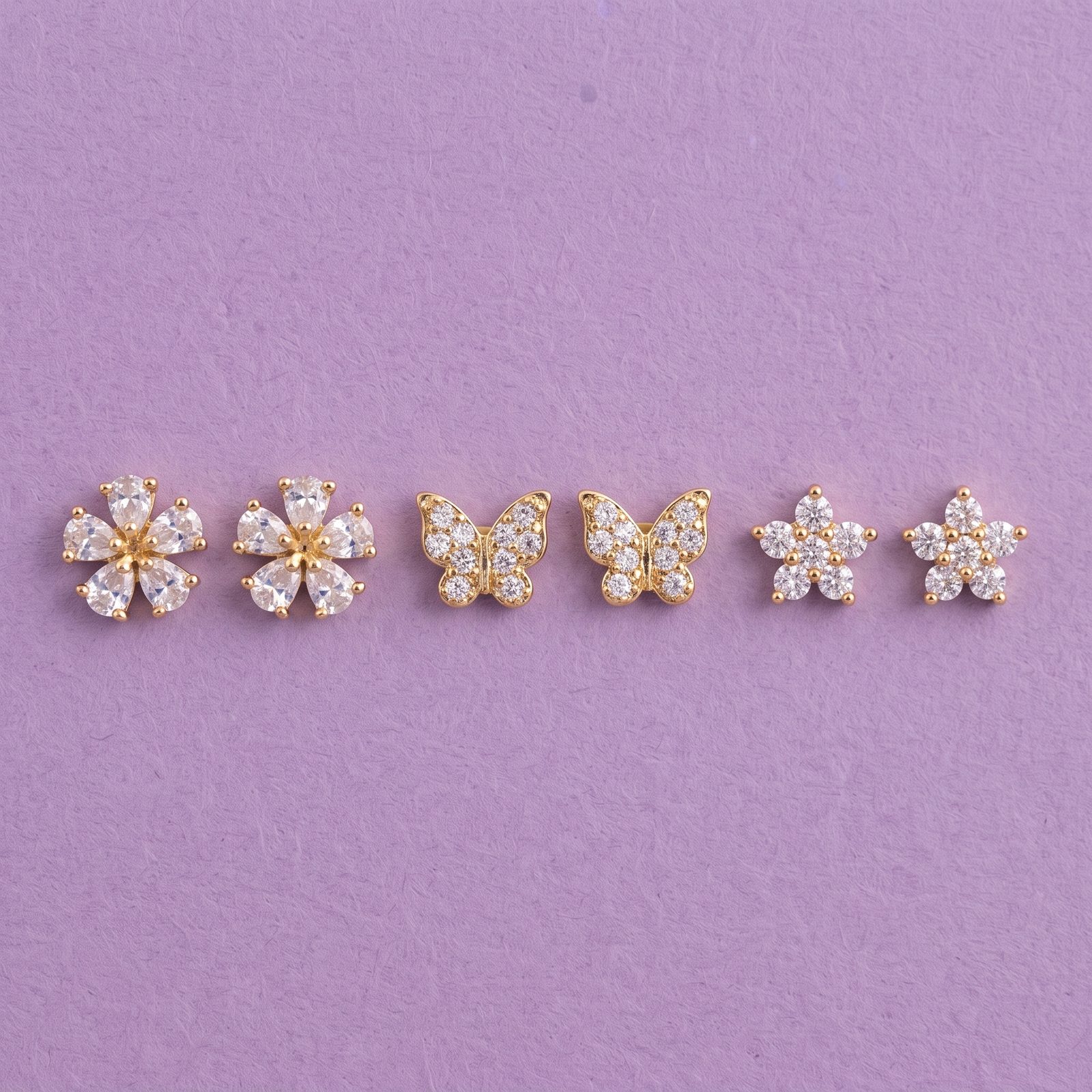
If you've ever searched for 'fake nose piercing' online, you've been flooded with magnetic studs. They look convenient - two tiny magnets that sandwich your nostril or earlobe. But within twenty minutes of wearing one, reality hits: a deep, throbbing ache radiating through your cartilage, constant readjustment as the magnet slides sideways, and the genuine fear of a tiny neodymium magnet disappearing up your nose mid-sneeze. Here is a thorough, evidence-based comparison of magnetic versus adhesive body jewelry, and why the piercing community has moved on from magnets entirely.
The Science of Why Magnets Hurt Your Cartilage
Neodymium magnets - the type used in faux piercing jewelry - generate attraction forces far stronger than their size suggests. A 3mm magnetic stud exerts continuous compressive force on the tissue it clamps. On soft earlobes, this creates mild discomfort. On rigid cartilage - the nose bridge, nostril, helix, or tragus - the effect is significantly worse.
Cartilage has almost no blood supply. When compressed by magnets, the already limited microcirculation is further restricted, causing tissue hypoxia (oxygen starvation). Within 30 to 60 minutes, wearers report numbness, throbbing, and a dull headache radiating from the clamped area.
The mechanical problem is equally bad. Magnets rely on perpendicular attraction to stay put, but they cannot resist lateral shearing forces. Brushing your nose, adjusting glasses, or pulling on a jumper slides the outer magnet sideways. The inner magnet inside your nostril then drops - creating a genuine inhalation hazard that NHS emergency departments have documented.
How 3M 1522 Medical-Grade Adhesive Solves Every Problem
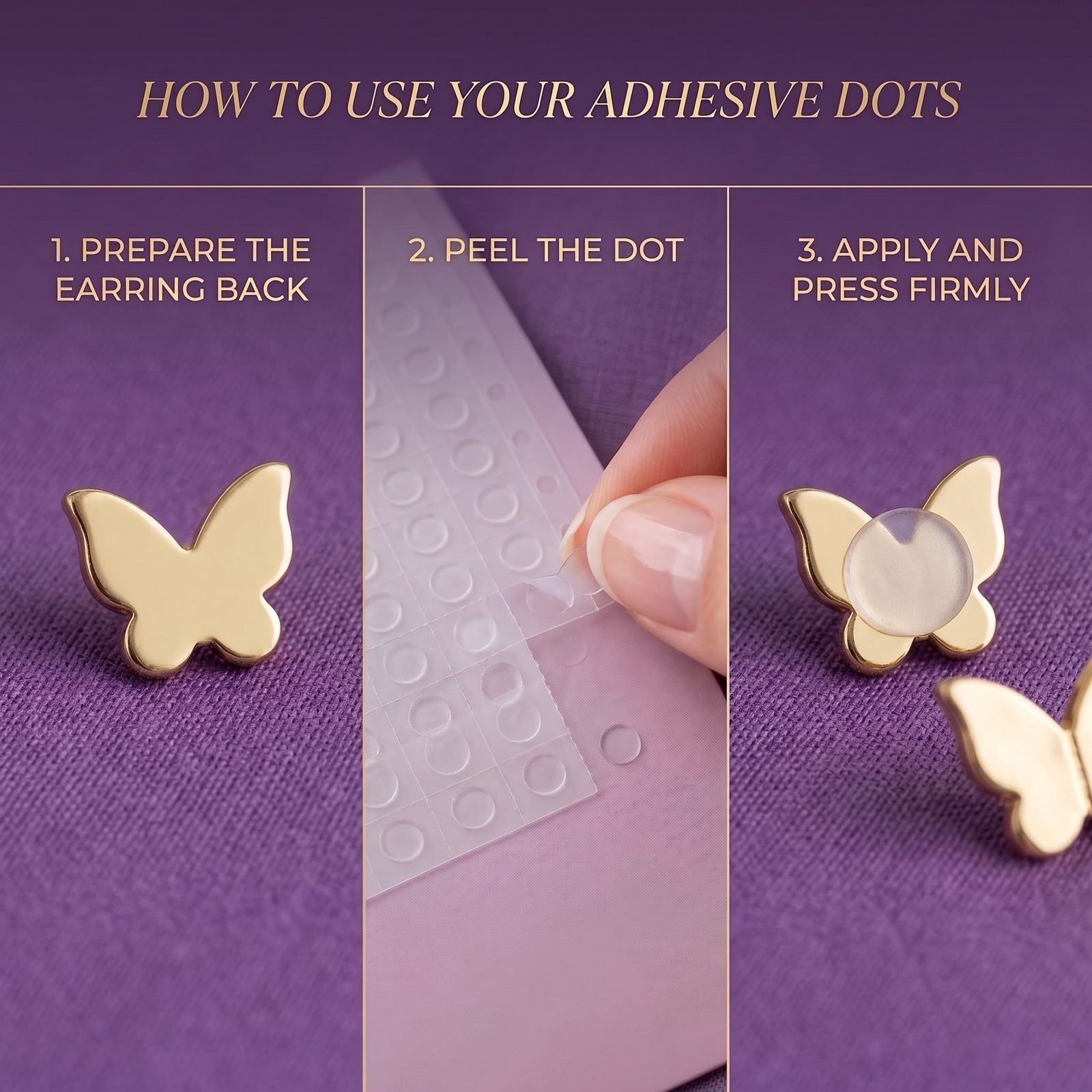
Adhesive flat-back studs work on an entirely different principle. Instead of clamping tissue between two magnets, a single surgical steel stud sits flush against the skin surface, bonded by a 5mm disc of 3M 1522 double-sided medical tape.
3M 1522 is a pressure-sensitive acrylic adhesive originally developed for securing prosthetics, wound dressings, and hearing aids. It creates a flexible molecular bond with the skin's surface - strong enough to resist sweat, humidity, and gentle contact, yet gentle enough to peel away without pulling skin cells or leaving residue.
Because there is no internal component (no backing magnet inside the nostril, no clip behind the earlobe), you feel absolutely zero pressure. The stud weighs under 1 gram and sits so flat against the skin that most wearers forget they're wearing it within seconds.
- Zero compression or blood flow restriction - sits gently on the skin surface.
- No inhalation risk - nothing inside the nostril or behind the ear.
- Resists lateral movement - adhesive bonds across the entire surface area, not a single magnetic contact point.
- 12 to 24 hour hold - outlasts magnets which typically shift within 30 minutes.
- Reusable stud - only the adhesive dot is consumed, the stud lasts indefinitely.
Real-World Durability: Magnets vs Adhesive
In everyday wear tests, magnetic studs rarely survive more than 90 minutes on cartilage before pain forces removal. On earlobes, they last longer but constantly rotate and shift with head movement. On the nose, they are functionally unreliable.
Adhesive flat-back studs, when applied correctly (clean, dry skin with a fresh 3M dot), routinely deliver 12 to 18 hours of secure wear. Users report surviving gym sessions, rainy commutes, and eight-hour work shifts without readjustment. The stud stays exactly where you placed it.
The stud itself is reusable indefinitely - crafted from solid surgical stainless steel that won't rust, tarnish, or turn skin green. Only the adhesive dot is consumed per wear. At just £1.49 for a sheet of 60 dots, the running cost is approximately 3p per application.
Frequently Asked Questions
**Are magnetic piercings safe for the nose?** While not immediately dangerous, magnetic nose studs compress cartilage and restrict blood flow, causing discomfort within minutes. The inner magnet also poses an inhalation risk during sneezing. NHS guidance advises caution with small magnets near airways.
**How long do adhesive piercings actually last?** On clean, dry skin with a fresh 3M 1522 dot, expect 12 to 18 hours of secure wear. Performance improves after the first few applications as you learn optimal skin preparation. Oily skin benefits from a quick alcohol prep wipe beforehand.
**Can I reuse the adhesive stud?** Absolutely. The surgical steel stud is fully reusable - clean it with warm soapy water after each wear. Only the adhesive dot needs replacing. Our 3-sheet refill pack (180 dots, £2.99) covers approximately 5 months of daily wear.
The Bottom Line
Magnetic piercings were an understandable first attempt at needle-free body jewelry, but the physics of clamping tissue between magnets creates unavoidable pain and unreliability. Medical-grade adhesive studs represent the genuine evolution: zero pain, all-day hold, and reusable luxury surgical steel that looks identical to a professional studio piercing.
Recommended Guides
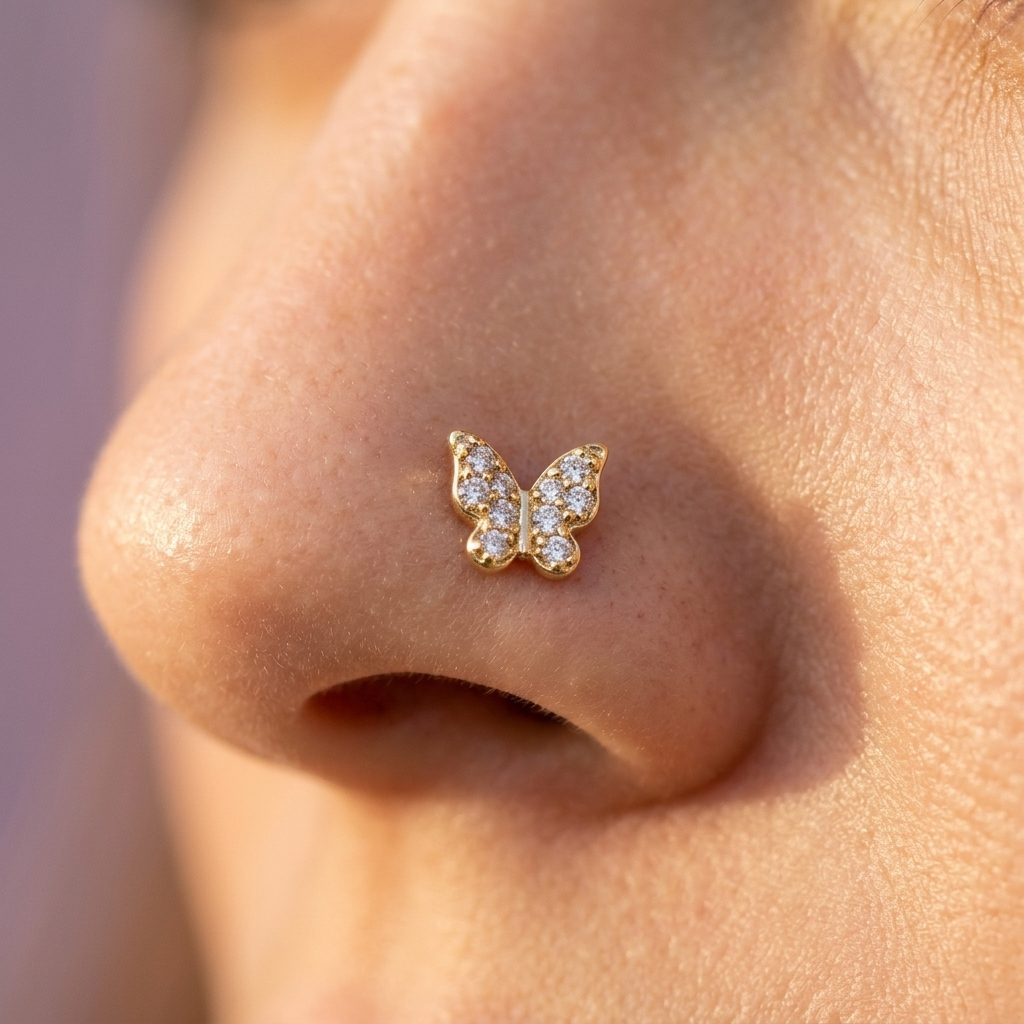
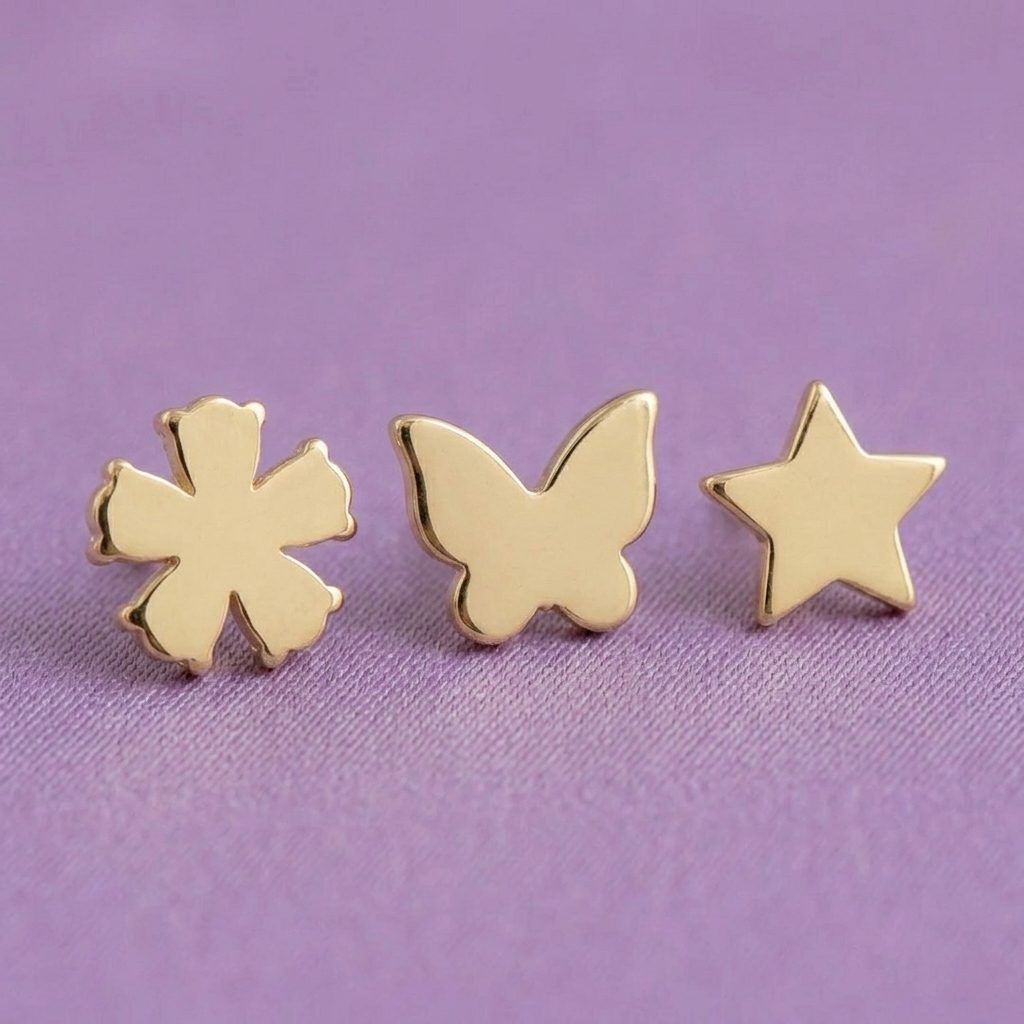
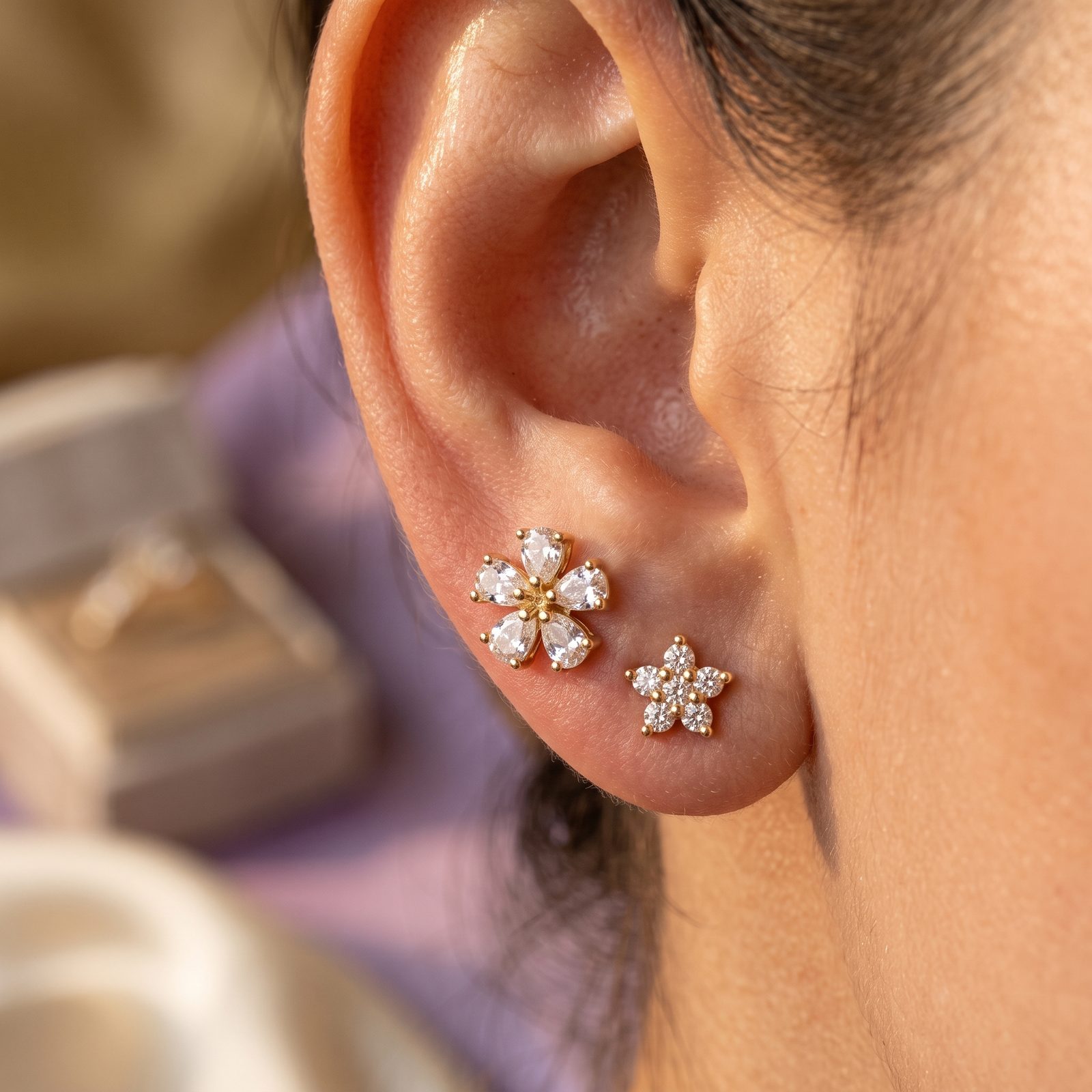
Painless Faux Curation For Ears & Nose
Hypoallergenic surgical stainless steel flat-backs paired with ISO 10993 medical-grade adhesion. Style high helix, tragus, lobes, or nostril placements with complete daily freedom.